Planning a drive up I-94 toward Milwaukee or a weekend escape to Lake Geneva? Before you hit the road, think about what truly stands as a safety net between your car and the open highway. It's your brakes!
Whether you’re navigating Gurnee’s busy Grand Avenue traffic or rolling through stop-and-go lights near Six Flags, your brakes work harder than you think.
But when was the last time you had your brakes thoroughly checked?
That’s why a quick brake inspection in Gurnee is one of the smartest things you can do before your next trip. It’s a simple check that keeps your car safe, your passengers protected, and your journey stress-free.
At CarWise Gurnee, we’ve seen worn-out pads to hidden brake fluid issues that drivers didn’t notice until it was almost too late. Over the years, our technicians have identified a few key signs that every driver should watch for before hitting the highway.
Here are the five most common brake warning signs Gurnee drivers should never ignore.
1.The Brake or ABS Warning Lights Are On
When the brake or ABS warning light appears on your dashboard, it’s your car’s way of signaling that something in your braking system needs attention.
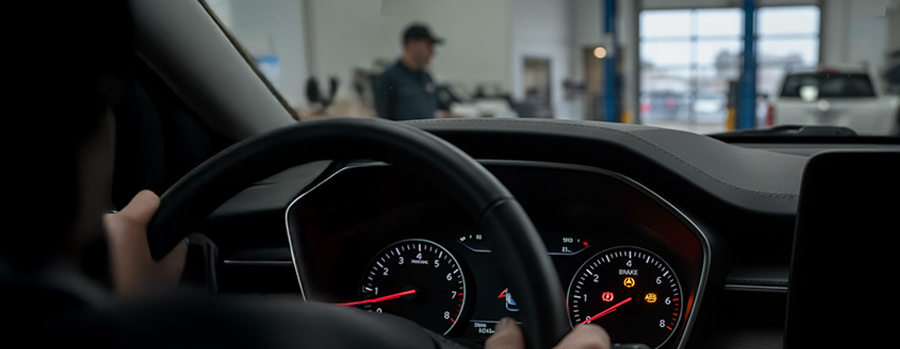
The red brake light may come on for simple reasons, like a partially engaged parking brake or low brake fluid caused by normal brake pad wear. However, it can also indicate more serious issues such as a hydraulic pressure imbalance or a leak in the brake lines, both of which can reduce braking performance and increase stopping distances.
The amber ABS light, on the other hand, points to a problem with your anti-lock braking system, which prevents wheel lockup during sudden or slippery stops. Common causes include a faulty wheel-speed sensor, damaged wiring, a malfunctioning ABS control module, or low brake fluid.
When this light is on, your standard braking system still works, but the anti-lock feature is disabled, increasing the risk of skidding during emergency braking, especially on icy or wet Northern Illinois roads.
If both lights illuminate together, it often signals a deeper issue affecting both the hydraulic and ABS systems, and your vehicle should not be driven until inspected. Ignoring these lights can lead to uneven braking, loss of control, or even total brake failure in extreme cases. Treat every brake or ABS light as urgent; it’s your car’s way of asking for help before something more serious occurs.
2. A Change in Pedal Feel: Soft, Spongy, or Low
Your brake pedal is a direct line of communication between you and your brake system. If it suddenly feels soft, spongy, or sinks closer to the floor than usual, that’s a red flag.
This change often means air or moisture has entered your brake lines. Brake fluid is hygroscopic; it naturally absorbs moisture from the air over time. When that happens, it loses its ability to maintain pressure, and your pedal feels suffer.
A compromised hydraulic system reduces braking efficiency and can cause delayed stopping, especially in emergencies. A brake fluid exchange flushes out old, moisture-contaminated fluid and replaces it with fresh fluid. You’ll restore that firm pedal feels and ensure your brakes respond instantly when you need them, whether you’re driving through slushy winter roads or summer construction zones around Gurnee.
3. Longer Stopping Distances
If your car doesn’t stop as quickly as it used to, you’re experiencing one of the most critical brake warning signs. Reduced stopping performance.
This can happen for several reasons: worn pads, glazed rotors, contaminated brake fluid, or uneven hydraulic pressure. The decline is often gradual, which is why many drivers only notice it during an emergency stop.
Every extra foot of stopping distance can make the difference between a close call and a collision, especially on busy routes like Grand Avenue, Route 41, or I-94.
Be mindful to schedule regular brake inspections. Addressing wear early maintains braking balance, responsiveness, and overall vehicle safety.
4. Vehicle Pulling to One Side
If your car drifts to one side when braking, it’s a sign of uneven braking force.
This usually happens when a brake caliper sticks or when pads on one side are more worn than the other. Uneven braking can also point to contaminated brake fluid or collapsed brake hoses.
Unbalanced braking not only makes the car harder to control but also causes uneven tire wear and steering issues over time. Have your technician inspect the calipers, pads, and hydraulic lines on both sides. Correcting uneven wear early keeps your vehicle stable and safe, especially on slick Midwest roads.
5. Squealing, Squeaking, or Grinding Sounds
Brake pads come with a small metal tab called a wear indicator. When the pad material wears down to a certain point, this tab makes contact with the rotor, creating a high-pitched squeal. It’s designed to alert you that your pads are nearing the end of their life.
If ignored, that squeal turns into a deeper grinding noise. At this stage, the pad material is gone, and the metal is grinding directly against the rotor, damaging it with every stop.
Driving with worn pads not only reduces your stopping power but can lead to costly rotor replacements. Schedule a brake inspection as soon as you hear a squeal. Replacing pads early protects your rotors, improves braking efficiency, and keeps your drive quiet and smooth.
Regular Brake Check Tips to Follow
Every car is unique; from the type of brake pads it uses to the roads you drive on. Many factors affect how often your brakes need attention. If you’re ever unsure, it’s always a good idea to check in with a certified technician in Gurnee as soon as possible.
They can take a look at your specific vehicle, spot early signs of wear, and suggest a maintenance plan that fits your driving habits and local conditions, whether that’s salt-covered winter roads or stop-and-go summer traffic on Route 132.
Even between professional visits, there are simple checks you can do to stay ahead of problems.
Quick Checks Every 3 to 5 Months
These short inspections only take a few minutes but can save you trouble later:
- Make sure brake fluid levels are where they should be.
- Listen for any squeals, squeaks, or grinding noises.
- Press the pedal to test brake responsiveness; it should feel firm, not soft or spongy.
- Take a glance at the visible pads and rotors for any early signs of wear.
From subtle squeaks to dashboard warnings, your brakes have a way of telling you when something’s not right and paying attention early can make all the difference. Whether it’s worn pads, air in the brake lines, or warped rotors, every issue starts small before it turns into something serious.
Before you take that next weekend’s trip to Lake Geneva or cruise down I-94, it’s worth giving your car a quick check. A complete brake inspection in Gurnee ensures your braking system is responsive, balanced, and ready for any road ahead.
At CarWise Gurnee, our technicians are here to help you drive with confidence, from routine brake fluid service to full brake pad and rotor replacement when needed. It’s not about selling more services; it’s about keeping you, your passengers, and your journey safe.